


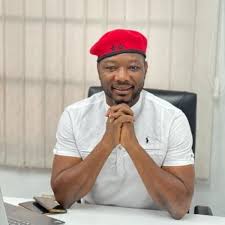
Bernard Anbataayela Mornah, leader of the People’s National Convention (PNC), has penned a pointed open letter to President John Dramani Mahama, the Commander-in-Chief of the Ghana Armed Forces, calling for urgent reforms in the ongoing recruitment into the nation’s security services.

In the statement titled “A Message to His Excellency, John Dramani Mahama on Recent Security Services Recruitment Concerns” Mornah highlights widespread irregularities, financial exploitation, and systemic barriers that have left thousands of desperate job seekers disillusioned.
The recruitment drive, which attracted over 500,000 applications from young Ghanaians nationwide, stems from acute youth unemployment and a scarcity of stable livelihoods.
Many applicants, including graduates and trained professionals, turned to the police, military, immigration, and other services as one of the few paths to financial security amid a glaring mismatch between education and job opportunities. Mornah, addressing Mahama as “your village brother from Sankana,” raises alarms over disqualifications based on “minor physical attributes” like height—criteria he deems outdated in a modern security landscape that prioritizes intelligence, technical skills, and strategy over sheer physical stature. “Denying capable individuals the opportunity to serve based on such criteria risks excluding thousands of potentially valuable personnel,” he writes, urging a shift toward merit-based selection.
Technical glitches compounded the woes. The online aptitude tests, plagued by unstable electricity and poor internet in many regions, automatically disqualified candidates mid-process during power outages or network failures.
Even as the government announced an expansion from 20,000 to 40,000 recruits over four years, potentially accommodating about 105,000 qualified applicants, Mornah questions the opaque criteria sidelining the rest.
Financial burdens drew sharpest criticism. Applicants shelled out roughly GHS 220 each, totaling over GHS 110 million, for basic processing, while shortlisted candidates face GHS 1,600–2,000 for mandatory medicals.
“The extraction of such significant sums from unemployed citizens for a process already supported by government resources raises serious concerns about equity and fairness,” Mornah states, recommending that medical screenings be covered under the National Health Insurance Scheme (NHIS) to level the playing field.
The letter ties these issues to broader economic malaise. Ghana’s vast mineral wealth—gold, lithium, diamonds, bauxite, salt, oil, manganese, and iron—remains underexploited for citizens’ benefit, Mornah argues, with many living “at the fringes of poverty.”
He calls for “bold leadership” through assertive national policies ensuring state control and equitable wealth distribution. This comes amid a national “brouhaha” over the recruitment, with social media ablaze since early 2026 reports of favoritism, regional biases, and physical standards excluding qualified northern applicants. President Mahama’s administration, which pledged inclusive hiring post-inauguration, faces mounting pressure as unemployment hovers above 13%, per recent Ghana Statistical Service data.
In his conclusion, Mornah appeals for reforms emphasizing “fairness, accessibility, transparency, and affordability” to rebuild trust and honor the aspirations of Ghana’s youth. “Further reforms… will help restore public confidence in the recruitment process,” he writes.
The PNC leader’s intervention amplifies calls from civil society, with groups like the Committee for Joint Action demanding audits.
No official response from the presidency yet, but the statement has ignited fresh debate on social platforms like X, where #FixSecurityRecruitment trends.