


The Nabaala community, located in the Lambussie District, continues to demonstrate strong grassroots mobilisation aimed at improving healthcare delivery through sanitation and infrastructure development.

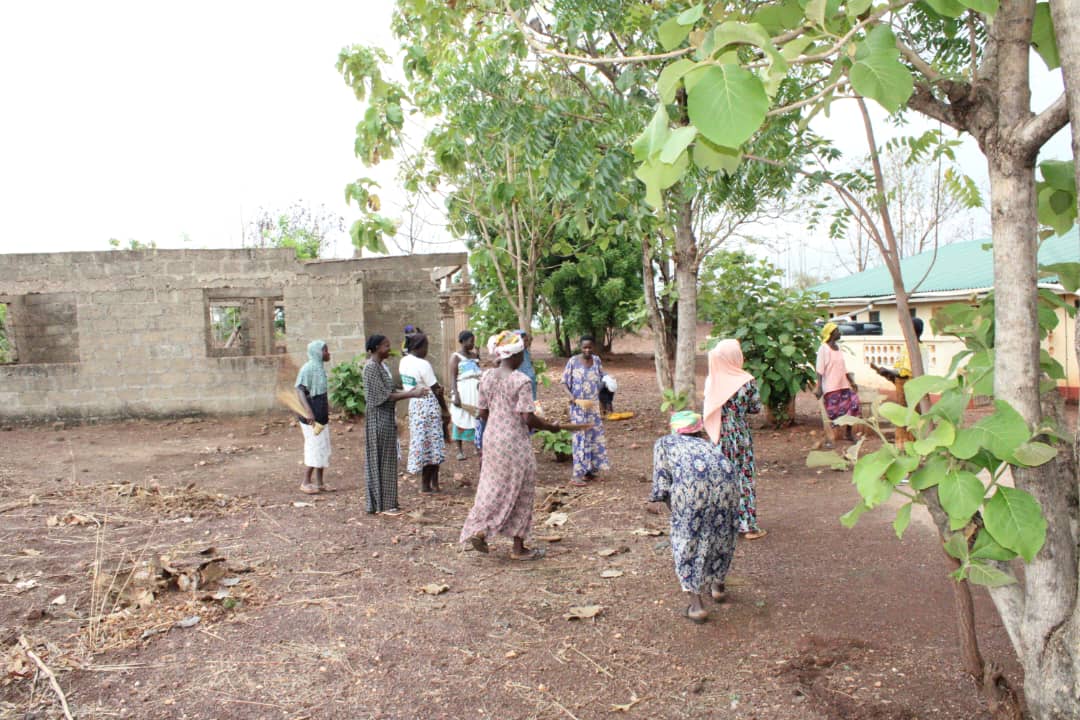
On a weekly basis, women in the community undertake voluntary clean-up exercises at the Nabaala Community-based Health Planning and Services (CHPS) compound. The activity includes sweeping, clearing weeds, and removing waste around the facility to ensure a clean and safe environment for patients and health workers.
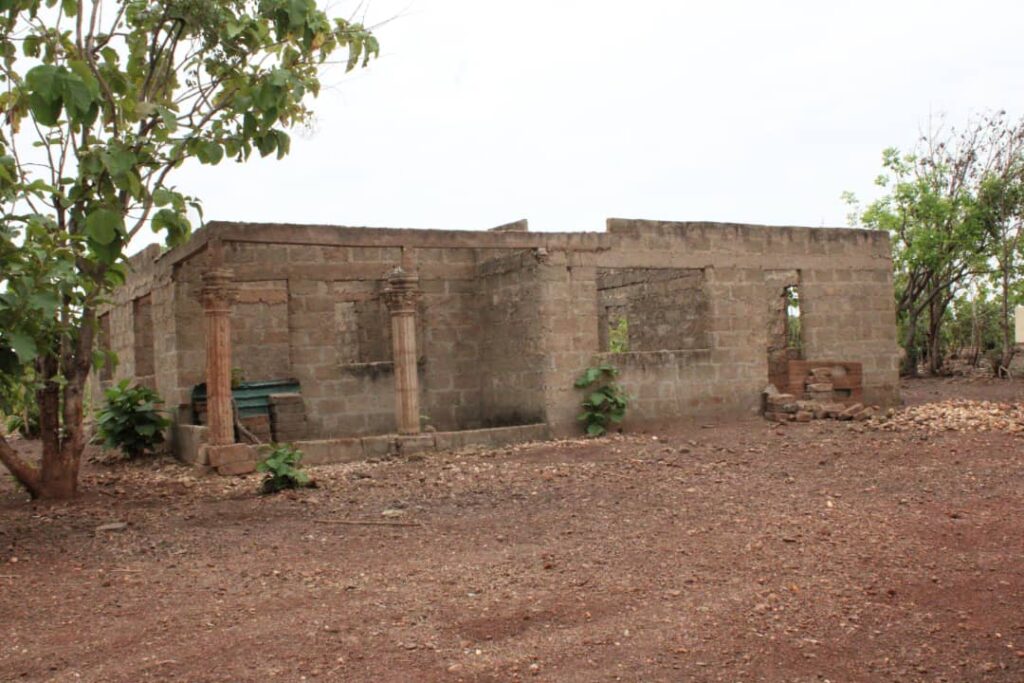
In addition to the sanitation initiative, the community is also constructing a maternity block at the CHPS compound through self-help efforts, including communal labour and contributions from residents. The project is expected to improve access to maternal healthcare services and reduce the need for pregnant women to travel long distances for delivery care.
Speaking to Yiri News, Mad. Balooro Nawerineh, a member of the women’s group, described the initiative as a shared responsibility rooted in concern for community health.
“We realised that if we wait only for government, the place may not develop fast enough. That is why we decided to come together every week to clean the facility. The maternity block is also important because our pregnant women suffer when they have to travel far before delivery,” she said.
Health workers at the CHPS compound have welcomed both initiatives, noting that environmental cleanliness plays a critical role in infection prevention, while the maternity block will significantly enhance maternal and child health services in the area.
Community leaders have praised the women for their consistency and commitment, describing the initiative as a strong example of local ownership of development. They also commended the wider community for supporting the construction of the maternity block despite limited resources.
The Nabaala initiative reflects a growing trend of rural communities taking direct action to address gaps in public services, particularly in remote and geographically challenging areas.