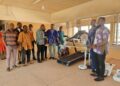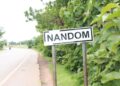



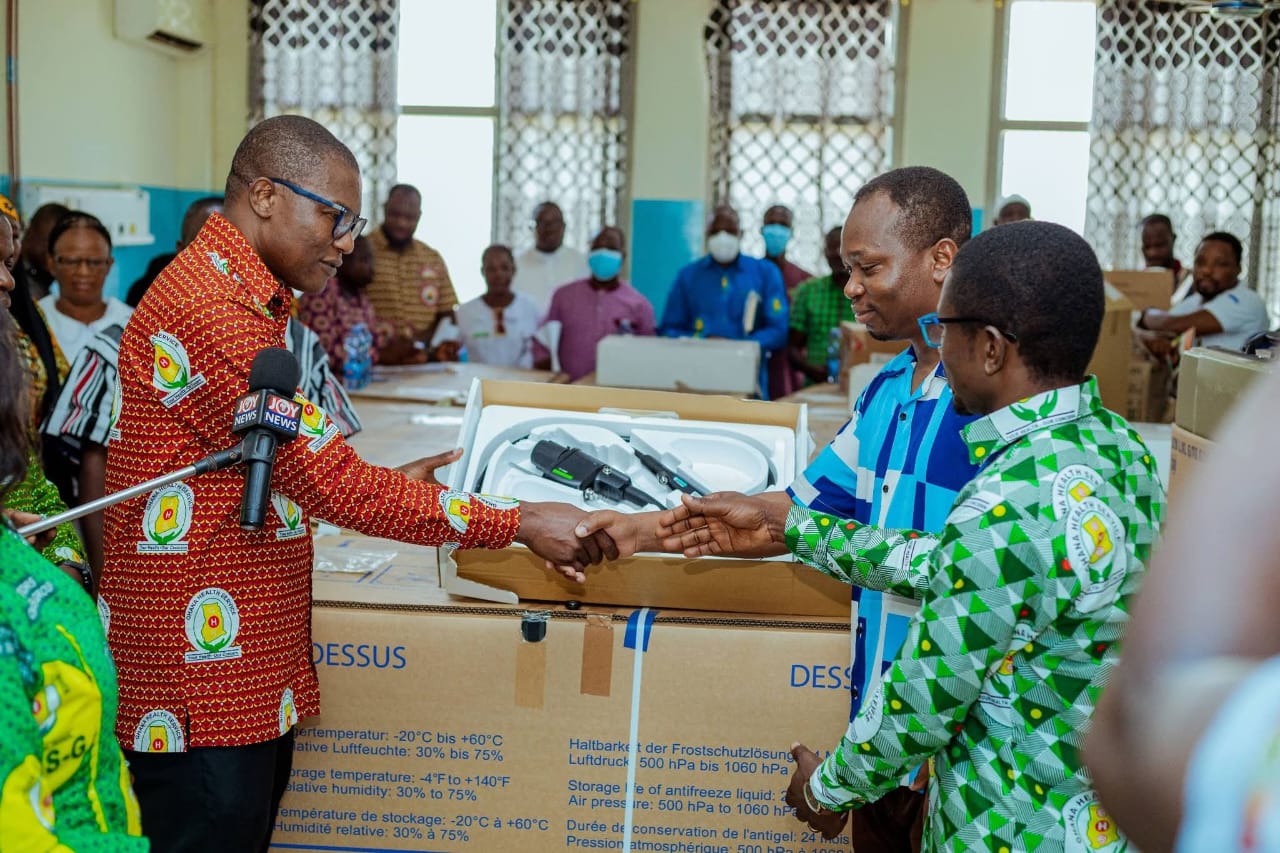
In a major boost for renal care in Northern Ghana, Ghana Medical Help (GMH) and its international partners have donated seventeen dialysis machines and a suite of endoscopy, colonoscopy and bronchoscopy systems — equipment that will help St. Theresa’s Catholic Hospital in Nandom start a long-awaited dialysis service and reduce the travel burden on patients from the Nandom enclave and southern Burkina Faso.

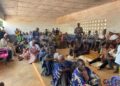
The handover, held at the Upper West Regional Hospital’s administration hall in Wa, is part of GMH’s Acute Kidney Care Project, which aims to expand access to life-saving renal and gastrointestinal services across the Upper West and Upper East regions. Representatives from beneficiary hospitals, regional health authorities, traditional leaders and donor partners attended the ceremony.
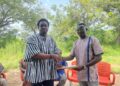
Three out of the seventeen have been handed over to St Theresa’s Hospital in Nandom, whereas the Upper West regional Hospital, War hospital in Navrongo and Builsa North hospital in Sandema have also been donated the rest.
Dr. Mark Padmore Awudi, Acting Medical Superintendent of St. Theresa’s Hospital, said the donation could not have come at a better time. He told Yiri News that about 40 percent of the dialysis patients who visit the Upper West Regional Hospital’s dialysis unit are from the Nandom area. Many of those patients currently wake before dawn and struggle to catch buses to travel the long distance to Wa for treatment — a journey that is costly, exhausting and risky for people undergoing repeated dialysis.
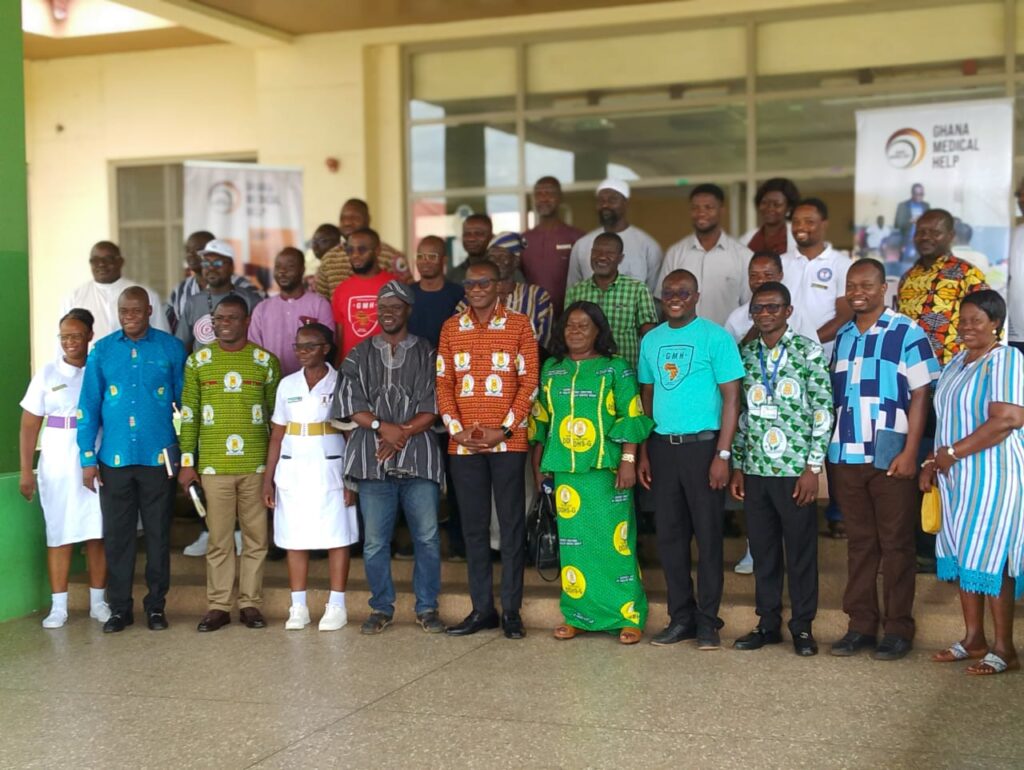
“This donation will save lives,” Dr. Awudi said, calling on philanthropists to support the hospital further with cash and in-kind contributions so the facility can install and operationalize the machines in the coming months. He thanked Ghana Medical Help and all partners for their lifesaving support and said preparations are already underway to have St. Theresa’s dialysis centre up and running.
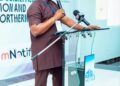
Dr. Dominic A. Akaateba, Co-Founder and Country Director of Ghana Medical Help, described the equipment transfer as an investment in health-system strengthening and local capacity. He noted that GMH — a Canadian-Ghanaian charity established in 2010 — has grown from small equipment donations into a multifaceted organization now running projects that reach over two million people in Northern Ghana. “This donation is more than equipment,” Dr. Akaateba said. “It represents an investment in saving lives and ensuring patients receive care closer to home.”
The donated package includes seventeen Fresenius 5008 dialysis machines, dialysis consumables and repair tools, and specialist endoscopy, colonoscopy and bronchoscopy systems. Aside from St. Theresa’s, the equipment will support expanded specialized services at the Upper West Regional Hospital in Wa, Builsa North Municipal Hospital in Sandema, and War Memorial Hospital in Navrongo.
Health officials at the ceremony urged that the new equipment must be matched with trained staff and maintenance capacity. Dr. Philip K. K. Baabineh, Acting Medical Director of the Upper West Regional Hospital, thanked GMH and partners and appealed for specialist physicians, specialist nurses and biomedical engineers to consider postings to the region to sustain the expanded services.
Local leaders welcomed the intervention. The Paramount Chief of Nandom, Naa Professor Edmund Nminyem Delle, Chiir VIII, was represented at the event by his special aide, Suleman Issahaque, and Naa Awudi Gyan. On behalf of the chief and the people of Nandom they thanked the donors and urged continued support to ensure the hospital can fully operationalize the machines and maintain services long-term.
GMH through Dr. Dominic Akaateba extended special appreciation to Island Health (Victoria, British Columbia) and a number of Canadian partners whose funding, technical support and logistics made the donation possible — including individuals and groups who tested, refurbished and shipped the equipment to Ghana.
With these donations, St. Theresa’s Hospital moves closer to offering local dialysis services — a development that promises to reduce travel time and expense for patients, lower treatment delays, and ultimately save lives in Nandom and neighbouring communities.