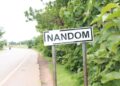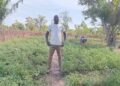



A peasant farming community of Nankpaanabule grapples with a life-threatening barrier: reliable healthcare. Nestled in the Vieri Electoral Area of Wa West District, residents endure grueling treks to distant clinics, a hardship that peaks during the rainy season when a deep, flood-filled valley severs access to the nearest CHPS compound in Pigbengbe.

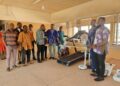
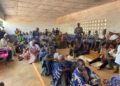
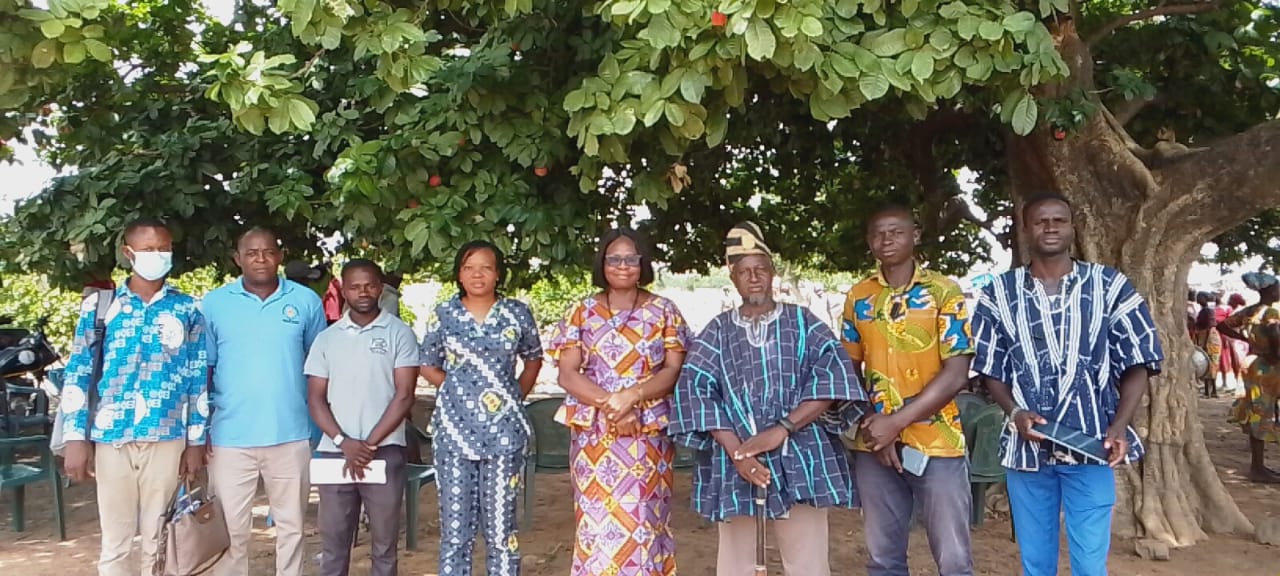
“Despite sharing the same CHPS zone, the valley turns into an impassable river,” said youth leader Richard Dong-Alu, addressing a community gathering attended by Wa West District Health Director Cecilia Kakariba and her staff. The absence of a local facility leaves the village vulnerable, especially when most able-bodied men migrate south during the dry season for work, stripping the community of manpower to transport sick children or pregnant women.
Desperate for change, Nankpaanabule’s residents have launched a grassroots fundraising drive. They’ve already mobilized GH¢15,000 ($1,000) toward building their own community-initiated CHPS compound, a modest outpost that could deliver essential services right at their doorsteps. “We’re committed to raising more and doing whatever it takes,” Dong-Alu affirmed, pledging full community support if the District Health Directorate approves the project.
The district director of Health Services Madam Cecilia Kakariba acknowledged the significance of good health, urging women to prioritize hygiene and nutritious meals as cornerstones of health. She however entreated the community to continue patronizing CHPS compounds in nearby communities. “Continue using the Pigbengbe facility until yours is ready,” she advised, promising government-approved blueprints and asked the community to seek guidance from district engineers on site selection.
Nankpaanabule’s chief, Naa Mahama Iddrisu, thanked Kakariba for her visit and implored the health directorate for ongoing aid. Residents echoed the call, appealing directly to philanthropists, NGOs, and compassionate donors: “Help us build this CHPS compound through cash, materials, or expertise—our lives depend on it.”
Meanwhile, the women of Nankpaanabule say, getting a CHPS compound in the community would be revolutionary as far as health delivery is concerned. Speaking to Yiri News, they maintained that their health especially during pregnancy and afterwards and that of their children remains a priority. They called for support towards the construction of the CHPS compound.
As Ghana pushes to expand rural healthcare under its Universal Health Coverage agenda, Nankpaanabule’s self-reliant push highlights both the gaps and the grit of its people.