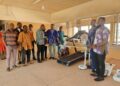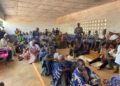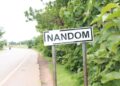



St. Theresa Catholic Hospital in Nandom, in collaboration with the APRIDEC Medical Outreach Group, a Ghanaian-based NGO, has launched a major surgical and medical outreach programme aimed at expanding access to specialized healthcare services in the municipality.

The outreach, which is running from April 13 to April 17, 2026, brings a team of specialist surgeons and physicians to provide critical interventions for residents who would otherwise face significant financial and logistical barriers to care.
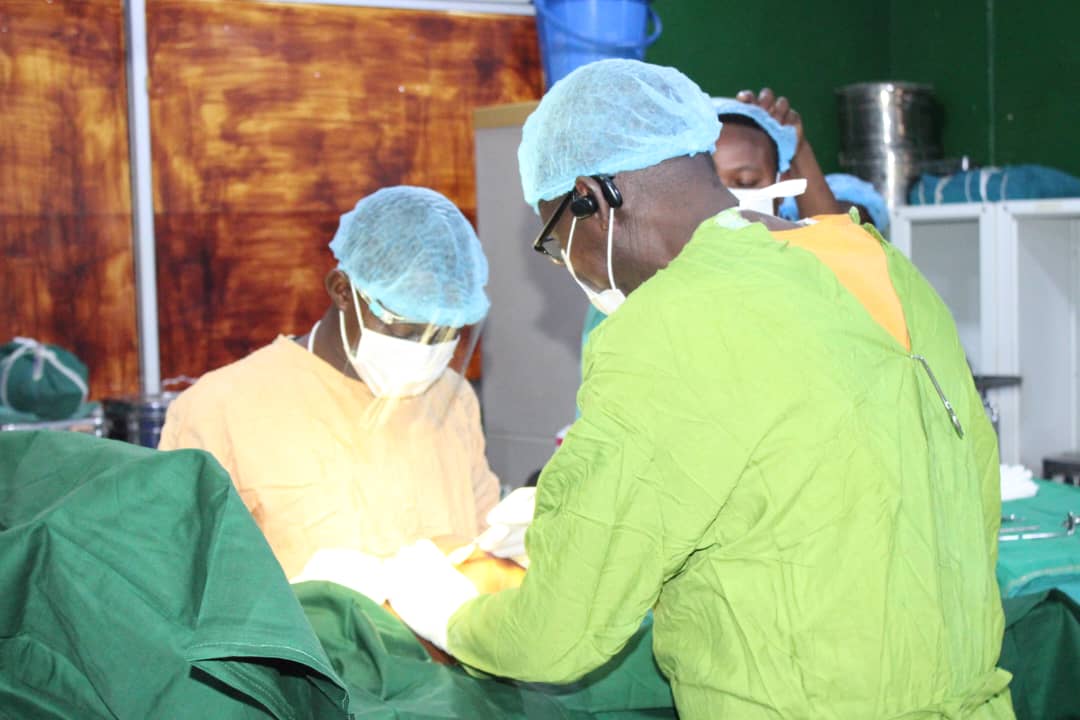
The initiative is targeting a range of common but debilitating conditions. Surgical teams are performing procedures for: Goitre, breast masses, hernias, hydroceles, lipomas and ganglions.
In addition, the medical team is offering consultations and treatment for chronic non-communicable diseases such as hypertension, kidney diseases, and diabetes.
The outreach team is led by Dr. Ebenezer Akomea-Agyin, a specialist general surgeon from Komfo Anokye Teaching Hospital in Kumasi, alongside other medical professionals under APRIDEC, known for organizing surgical outreach programmes across Ghana.
Although the outreach initially targeted 100 surgical cases, doctors now expect to perform at least 50 surgeries due to infrastructure constraints at the facility.
At the center of the challenge is an abandoned and incomplete theater block, located behind the hospital’s conference hall and near the surgical, general, and maternity wards. The facility, funded under the Northern Development Authority, has remained unused for close to six years.
Acting Medical Superintendent of the hospital, Dr. Mac Padmore Awudi, confirmed that limited theater space continues to disrupt operations and reduce surgical output.
“There are occasional interruptions, and this reduces our output,” he stated.
He emphasized that completing the abandoned theater would significantly improve service delivery.
“With an additional theater, such as the incomplete one behind the conference hall, we could perform more surgeries simultaneously,” he added.
For many patients, the outreach is life-changing.
“I’m happy for this opportunity to get my goitre removed. It has always made me feel uncomfortable. I thank the doctors and the hospital for this,” said Madam Yuora, a beneficiary of the programme.
Despite the constraints, the outreach is already providing critical relief to patients in the Nandom Municipality, many of whom would otherwise travel to regional referral centers for similar procedures.
However, health stakeholders warn that without urgent investment in infrastructure, such interventions will continue to fall short of their full potential.
The hospital is therefore appealing to government, NGOs, civil society organizations, and development partners to support the completion of the theater block to enhance surgical capacity and improve healthcare delivery in the area.