


Members of the Fulbe community who have lived in Tangbileju for more than three decades say they are now largely integrated and accepted in the locality, but they continue to face administrative and infrastructure challenges.

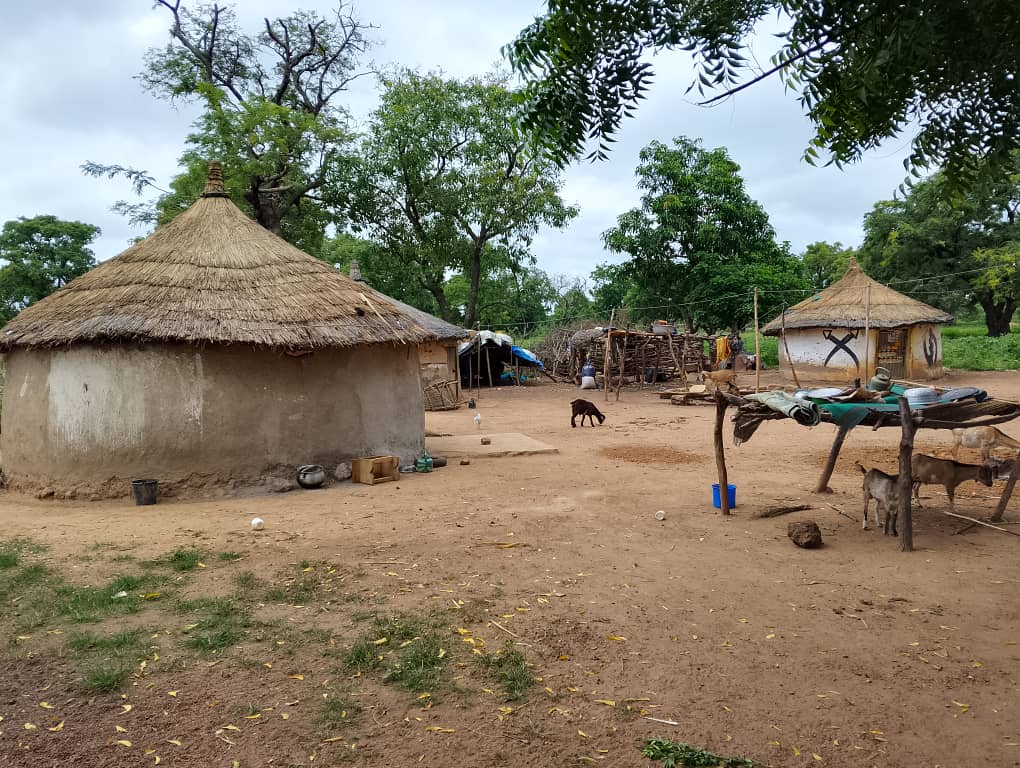
A Yiri News visit to the settlement on the outskirts of Tangbileju found compact mud houses with thatched roofs clustered near kraals and livestock. Residents also keep fowls and small-scale farms close to their homes.
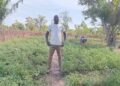
“Only a few of us have Ghana Cards,” said Mumuni Alhassan, a community elder. “When we go to register, we are sometimes denied with the excuse that we are not Ghanaians.” He added that those who qualify are registered and do vote at elections.
Access to potable water is limited despite a recent borehole drilled by the Wa Municipal Assembly. Alhassan said reaching that water source remains difficult for many households and appealed for a closer borehole to serve the settlement.
The community also flagged unsafe, improvised electricity connections. Yiri News observed that extension cables have been run to homes using wooden sticks rather than being installed on approved VRA/NEDCO poles. Alhassan said a temporary arrangement was put in place ahead of the 2016 elections after campaign promises, and the wiring has not been properly corrected since. “This situation poses enormous danger,” he warned.
Despite being primarily cattle rearers living alongside crop farmers, Alhassan said disputes over stray livestock have been minimal. “We have lived here for so many years. Sometimes our cattle stray into people’s farms, but it is usually seen as a mistake and is resolved amicably,” he said.
The Fulbe also report inclusion in public health and development activities. Alhassan said NGOs and government programs have regularly included the settlement in immunization drives, indoor residual spraying by AngloGold’s malaria control program, and community health outreaches.
He expressed pride that all school-age children in the community are currently attending school. “We are optimistic that with education they will grow to become better than us,” he said, while renewing the community’s request that Ghana Card registration be made less cumbersome.
Historically nomadic and often marginalized, many Fulbe in Wa and other parts of Ghana are transitioning to more settled lives through education, intermarriage and local integration, community members say.