



The Upper West Regional Fulani Council has issued an urgent plea to President John Dramani Mahama and national security authorities, lamenting escalating harassment and violence against the Fulani community in Ghana’s Upper West Region.

In a strongly worded statement signed by the Fulani Chief of Wa, the council highlights repeated conflicts, a recent brutal killing, and perceived disparities in the justice system, calling for immediate government intervention to restore peace.
The Fulani, nomadic herders who have contributed to the region’s economy through cattle rearing for generations, say they face ongoing threats despite their integration as Ghanaian citizens. Tensions are particularly acute in the Wa East and Wa West districts, where disputes over cattle have sparked deadly clashes between Fulani herders and local indigenous groups.
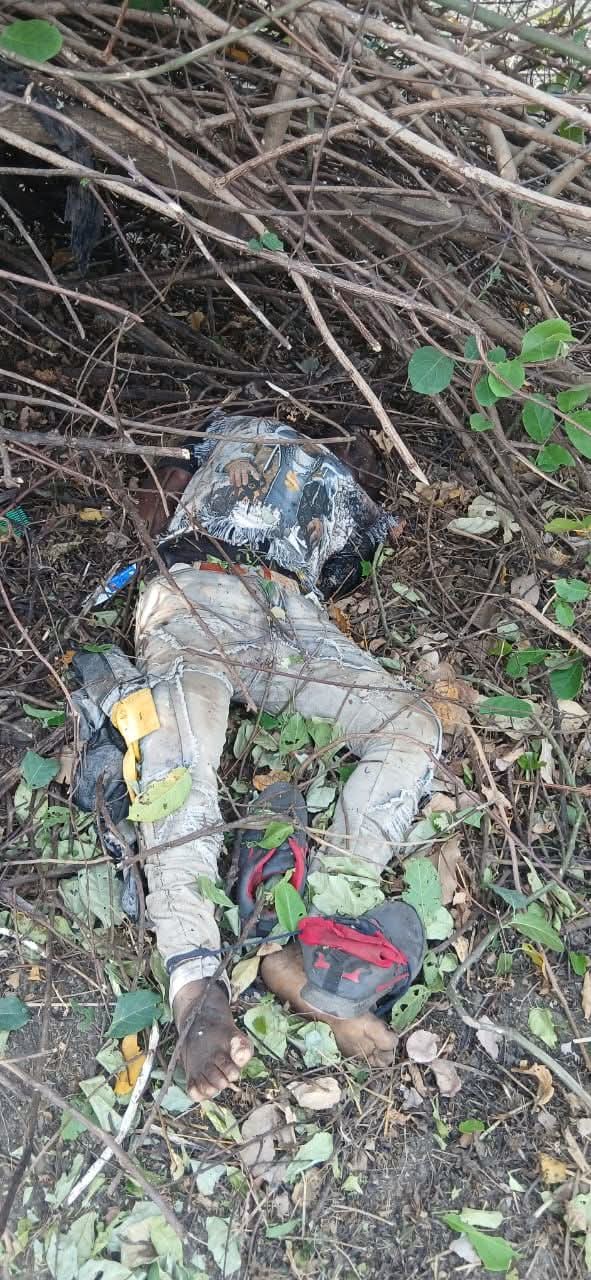
A stark example cited in the statement is the March 2026 killing of a Fulani man in a boundary area between Wa East and Wa West. The incident stemmed from a cattle dispute, leading to the victim’s brutal death. While one suspect, the cattle owner involved was arrested, he was granted bail the very next day, a move the council deems shocking for a suspected murder case.
“When minor cases occur involving individuals from other communities, suspects are often kept in remand custody for days, weeks, or even months,” the statement reads. “Yet, in this case, the individual accused of a brutal murder walks free with little explanation.”
Compounding the issue, the council notes that the main suspect has refused to surrender to police and the Criminal Investigation Department (CID), stalling the probe with no apparent efforts to compel his arrest. This, they argue, reflects a pattern of leniency when Fulani victims are involved, eroding trust in the justice system.
The statement urges the President, Ministry of the Interior, National Security, and other bodies to act decisively. It warns against politicizing the Fulani plight, especially during election cycles when votes are courted but welfare ignored post-polls. “We cannot afford to wait until the situation escalates into further violence, which could disrupt the peace of our country,” it concludes, pledging cooperation for peaceful resolutions. Local leaders and security analysts have yet to respond publicly to the appeal.
However, the council’s outcry echoes broader challenges in northern Ghana, where farmer-herder conflicts have intensified due to land scarcity, climate pressures, and ethnic frictions. Similar tensions have flared in neighboring regions, prompting calls for dialogue and equitable policing.
The Fulani Council’s move underscores a push for inclusive security measures, emphasizing that all Ghanaians, regardless of ethnic background deserve protection and justice.