



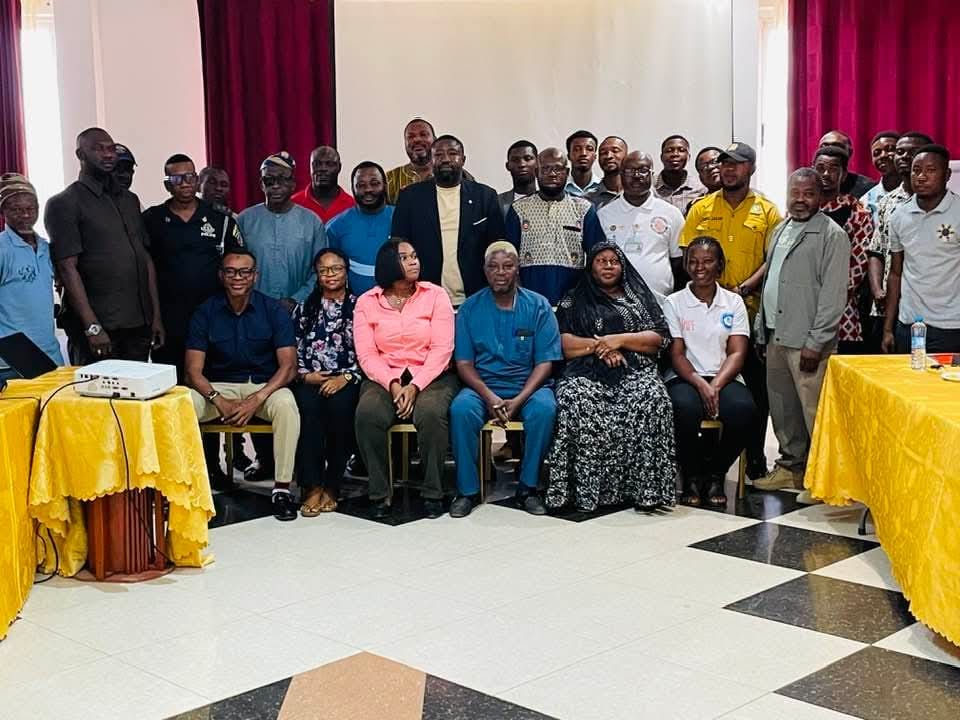
The Energy Commission’s E-Mobility Initiative in Ghana organized a comprehensive stakeholder workshop at Nuoyong Hotel in Wa, focusing on the “Drive Electric” campaign. This effort aims to transition the country’s transportation sector toward a more sustainable, electric-powered future.

The event drew public and private stakeholders, including the Garages Association, Ghana Private Road Transport Union (GPRTU) of TUC, academia, Driver and Vehicle Licensing Authority (DVLA), National Road Safety Authority, traditional authorities, and automobile artisans.
Dr. Godwin Kafui Ayetor, a senior lecturer at Kwame Nkrumah University of Science and Technology (KNUST), delivered a detailed PowerPoint presentation on EV charging infrastructure. He highlighted key stations, including Charge Express (160 kW x 2), X-Charge (160 kW x 2), Ijanu KNUST (120 kW x 1, 22 kW x 1), and upcoming facilities (360 kW x 3, 160 kW x 1, 50 kW x 1).
Dr. Ayetor outlined EV penetration projections: Phase I (2024–2026) targets initial rollout, Phase II (2027–2035) aims for 35% penetration, and post-2036 goals reach 70%. He emphasized regulatory frameworks and urged public and private transport operators to adopt EVs for cost savings and environmental benefits over traditional internal combustion engines.
The interactive session allowed participants to ask questions, share experiences, and provide input. Attendees interviewed by media agreed that the timing of this sensitization was ideal—and that such events should occur regularly.
The penetration of Electric Vehicles though slow within the Upper West region has started gathering momentum as several companies have started selling electric tricycles and motorbikes which are gradually becoming popular. With motorbikes and tricycles being the predominant means of transport for residents of the Upper West region, should the shift in focus occur from fuel powered means of transport to EVs then the Upper West region would be one of the areas to quickly adopt to the new technology.