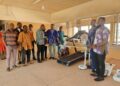



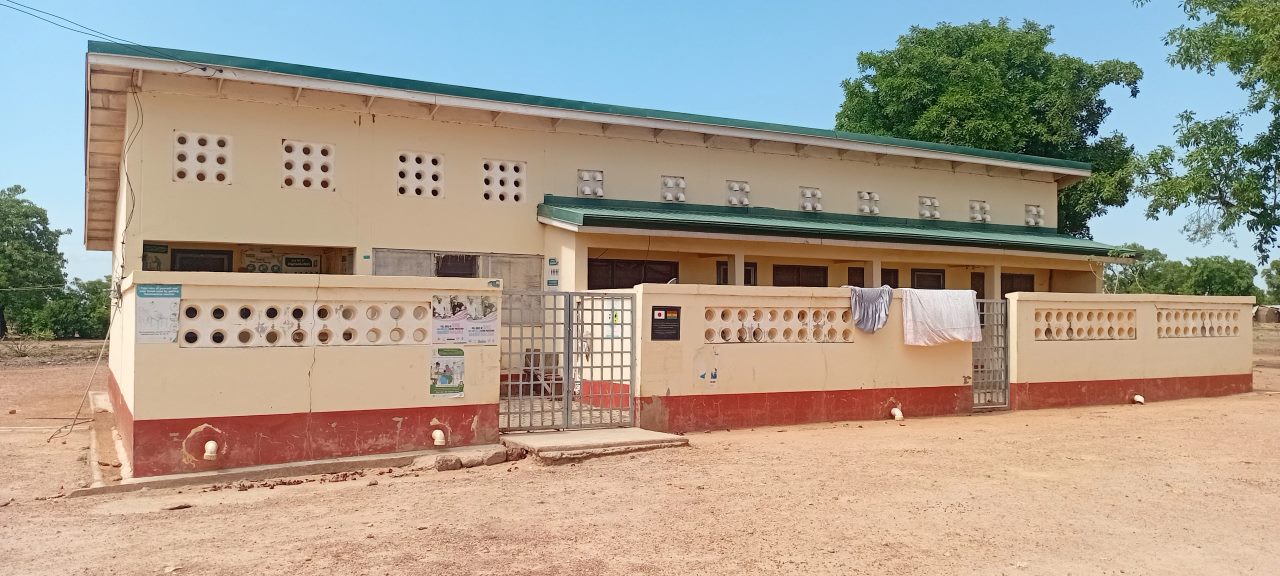
Residents of Kpari in the Daffiama/Bussie/Issa (DBI) District have raised concerns over recurring drug shortages and the lack of essential equipment at the Jimpensi Community-based Health Planning and Services (CHPS) compound.

According to community members, the situation frequently compels patients, particularly pregnant women, to travel to other health facilities to obtain care, often at additional cost. Some residents also claim that expectant mothers are sometimes required to purchase costly delivery items before receiving services, a situation they say discourages regular antenatal visits.
The residents further indicated that the absence of basic equipment, including delivery beds, is affecting the quality of maternal healthcare services at the facility. They are therefore appealing to the district health authorities to intervene and improve conditions at the CHPS compound.
However, the Community Health Officer in charge of the facility, Madam Edith Zagle, has attributed the frequent drug shortages to challenges within the medical supply chain. Speaking to YiriNews, she explained that although medicines supplied to the facility are expected to last for three months, the quantities received often prove insufficient due to the high number of patients seeking care.
“As a result, the medicines run out before the next scheduled supply,” she said, adding that the District Health Directorate is aware of the challenge and is working towards finding a long-term solution.
Madam Zagle commended residents of the Jimpensi community for their strong patronage of health services at the CHPS compound but expressed concern over the low turnout at community health education durbars.
She noted that limited participation in such programmes undermines preventive health efforts in the community.
Despite the operational challenges, Madam Zagle praised the community for its support of improvements at the facility. She disclosed that residents have constructed maternity rooms and nurses’ bungalows to enhance healthcare delivery, with the project currently about 80 per cent complete.
She also highlighted poor network connectivity, the absence of an emergency transport system, and unstable electricity supply as major operational difficulties confronting the facility.
According to her, weak telecommunications networks affect emergency referrals, while frequent power outages and low voltage have damaged refrigerators used for storing medicines, including temperature-sensitive drugs, thereby affecting proper drug storage.